
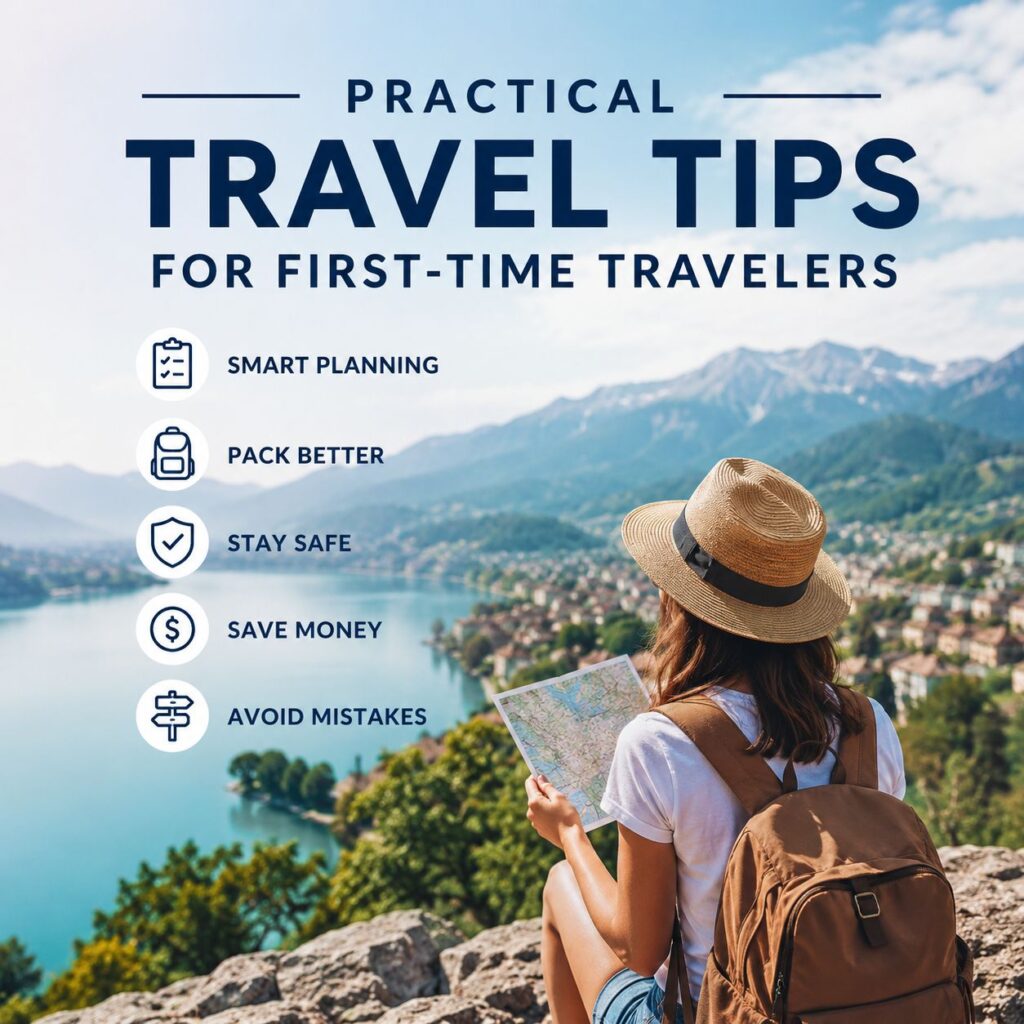
Traveling for the first time can feel exciting, inspiring and slightly overwhelming. There are flights to book, bags to pack, documents to check and new places to understand. The good news is that travel becomes much easier when you prepare in a simple and practical way.
This guide covers essential travel tips for first-time travelers, from planning and packing to safety, money, transport and common mistakes to avoid.
Start With Simple Travel Planning
The best trips usually begin with clear planning. You do not need to plan every minute of your journey, but you should understand the basics before you go.
Start by checking:
Your passport validity
Visa or entry requirements
Travel insurance
Local currency
Weather and season
Public transport options
Airport transfer options
Basic local customs
Emergency numbers
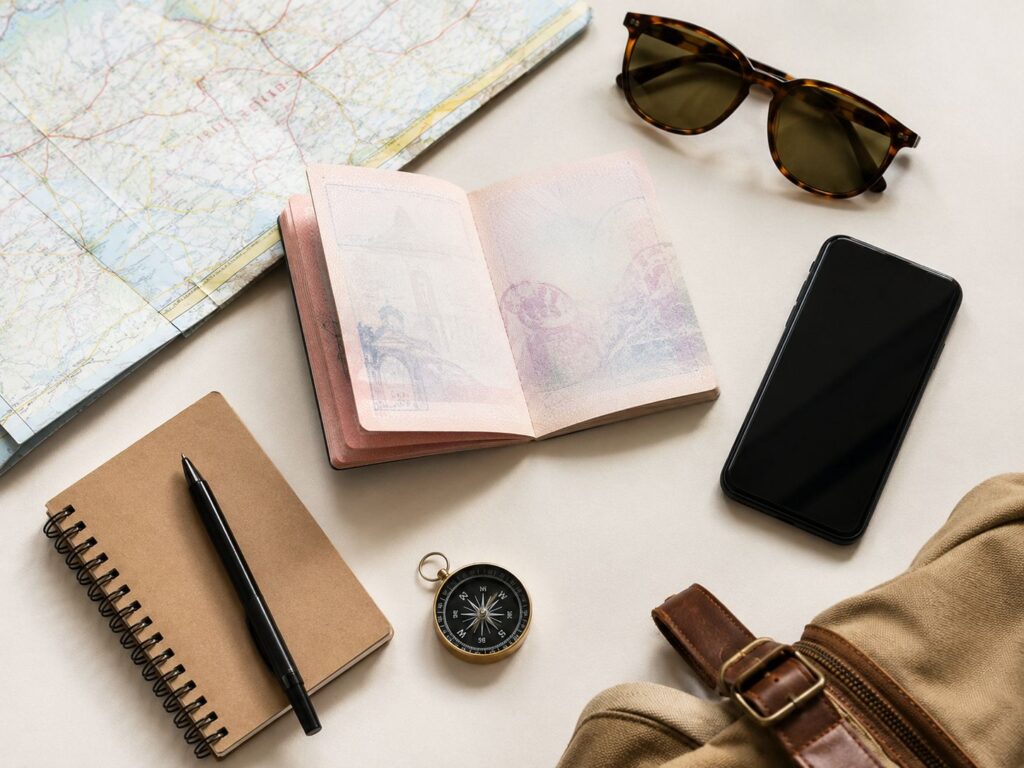
Before booking, make sure your destination matches the kind of trip you actually want. A city break, beach holiday, road trip and cultural journey all require different planning.
Check Passport and Entry Rules Early
One of the most important travel tips is also one of the easiest to forget: check your passport and entry requirements early.
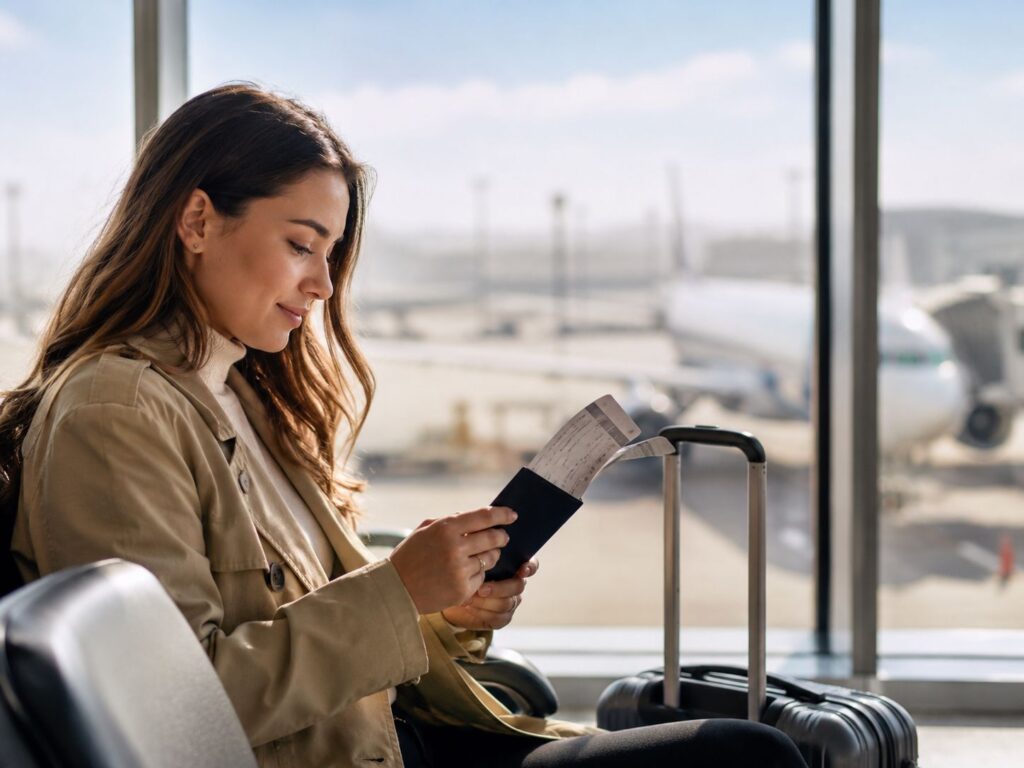
Many countries require your passport to be valid for several months after your planned departure date. Some destinations also require a visa, electronic travel authorization, proof of onward travel, hotel booking confirmation or travel insurance.
Always check official government or embassy sources before traveling. Rules can change, and airline staff may refuse boarding if your documents are not correct.
Buy Travel Insurance Before You Go
Travel insurance is easy to ignore until something goes wrong. A good policy can help if you get sick, lose luggage, miss a connection or need to cancel your trip.
Look for insurance that covers:
Medical emergencies
Trip cancellation
Lost or delayed baggage
Travel delays
Personal liability
Activities you plan to do
If you are going hiking, skiing, diving or doing adventure activities, check whether those activities are included. Some standard policies do not cover them.
Pack Less Than You Think You Need
Many first-time travelers pack too much. Heavy luggage makes travel more stressful, especially if you are using trains, buses, stairs or budget airlines with strict baggage rules.
A good packing rule is to bring versatile items you can mix and match. Choose comfortable clothes, practical shoes and layers that suit the climate.
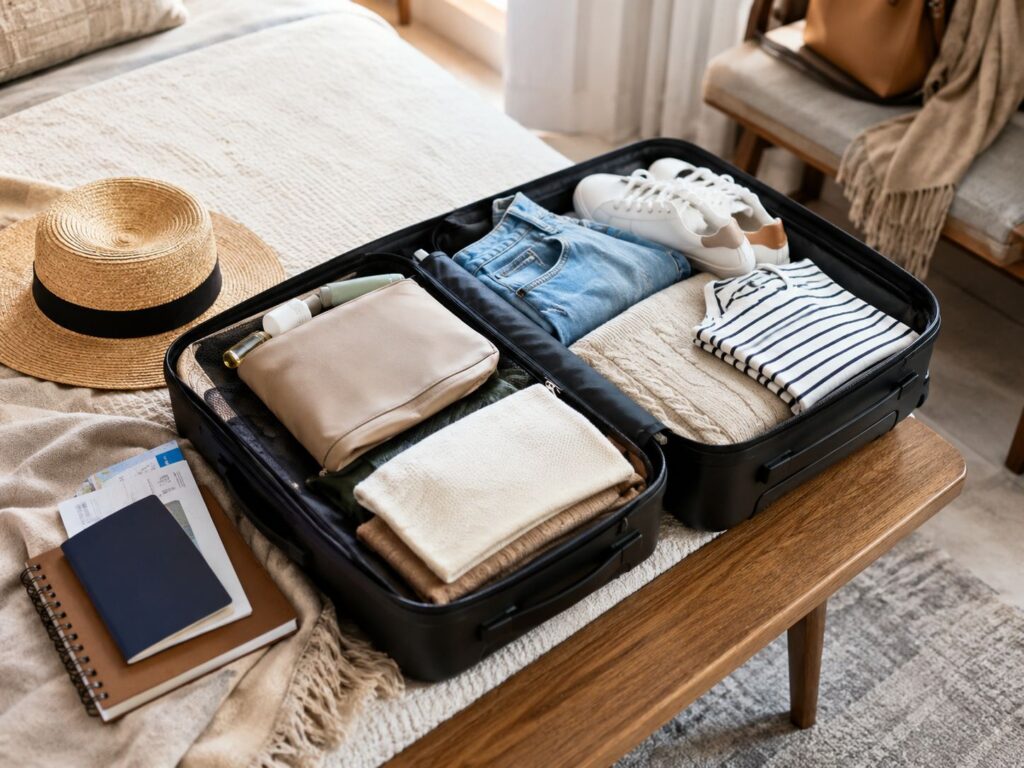
Useful items to pack include:
A small day bag
Power adapter
Phone charger
Portable power bank
Reusable water bottle
Basic medication
Copies of important documents
Comfortable walking shoes
Avoid packing “just in case” items that you can easily buy at your destination.
Keep Important Documents in More Than One Place
Make both digital and physical copies of your most important travel documents.
This includes:
Passport
Visa or entry authorization
Travel insurance
Flight details
Hotel bookings
Emergency contacts
Driver’s license, if needed
Save digital copies in a secure cloud folder or email them to yourself. Keep paper copies separate from your original documents. This can make things much easier if your phone, bag or passport is lost.
Learn the Basics About Local Money
Before you travel, check the local currency and typical payment methods. In some destinations, card payment is common almost everywhere. In others, cash is still important.
Practical money tips:
Bring more than one payment card
Keep some emergency cash
Avoid keeping all money in one place
Check foreign transaction fees
Use official ATMs when possible
Be careful with dynamic currency conversion
When paying by card abroad, you may be asked whether you want to pay in your home currency or the local currency. In many cases, choosing the local currency gives you a better exchange rate.
Understand How You Will Get Around
Transport can be one of the most confusing parts of arriving in a new place. Before you land, check how to get from the airport, train station or bus terminal to your accommodation.
Look up:
Airport transfer options
Taxi rules
Ride-hailing apps
Public transport tickets
Local transport cards
Walking distances
Safe arrival options at night
A little preparation can help you avoid expensive taxis, confusion after a long flight or arriving in an unfamiliar area without a plan.
Book the First Night in Advance
Even if you prefer flexible travel, it is usually smart to book your first night in advance. This gives you a safe and clear place to arrive, especially if you land late, are tired or are visiting a destination for the first time.
After the first night, you can decide whether to stay longer, move area or adjust your route.
Read About Local Customs and Etiquette
Travel is easier and more respectful when you understand basic local customs. You do not need to know everything, but a little awareness goes a long way.
Research things like:
How to greet people
Tipping culture
Dress codes
Religious or cultural rules
Restaurant etiquette
Public transport behavior
Common scams
Local laws
This can help you avoid awkward situations and show respect for the place you are visiting.
Stay Safe Without Being Afraid
Most travel problems can be avoided with basic awareness. You do not need to be nervous, but you should pay attention.
Simple safety habits:
Keep valuables close in busy areas
Avoid flashing expensive items
Use official transport where possible
Do not leave drinks unattended
Be careful with strangers offering “free” help
Share your itinerary with someone you trust
Check the area before booking accommodation
Trust your instincts if something feels wrong
Also save emergency numbers and the address of your accommodation on your phone and on paper.
Use Offline Maps
Offline maps are one of the easiest ways to make travel smoother. Download maps before you leave your hotel or before you arrive in a new country.
Offline maps help when:
You have no mobile data
Wi-Fi is weak
Your battery is low
You are walking in an unfamiliar area
You need to show a taxi driver the address
It is also useful to save your hotel, airport, train station and key places before you start exploring.
Do Not Overplan Every Day
It is tempting to fill every day with attractions, restaurants and activities. But travel often takes more time than expected. Distances can be longer, transport can be slower and you may simply want time to enjoy the place.
A good travel plan has structure, but also space.
Try planning one or two main things per day, then leave room for walking, food, rest and unexpected discoveries.
Choose Accommodation Based on Location, Not Just Price
Cheap accommodation is not always cheap if it is far from everything. You may spend more time and money on transport than you save on the room.
When choosing where to stay, consider:
Distance to main attractions
Public transport access
Safety of the area
Noise level
Check-in times
Reviews from recent guests
Nearby food options
For first-time travelers, a central and well-connected location is often worth paying a little extra for.
Be Careful With Reviews
Reviews can be helpful, but they should be read carefully. One bad review does not always mean a place is bad, and one good review does not guarantee a perfect experience.
Look for patterns. If many people mention the same problem, such as noise, bad location, poor cleanliness or hidden fees, take it seriously.
Also check the date of reviews. Recent reviews are usually more useful than very old ones.
Keep Your Travel Days Realistic
Travel days often take more energy than expected. Even a short flight can involve packing, checkout, transport, security, waiting, delays, arrival, baggage and finding your accommodation.
Avoid planning too much on arrival or departure days. Give yourself time to settle in, eat, rest and adjust.
Learn a Few Local Phrases
Even in places where many people speak English, learning a few local phrases can make your trip better.
Useful phrases include:
Hello
Thank you
Please
Excuse me
Do you speak English?
How much does it cost?
Where is the bathroom?
It shows respect and often creates friendlier interactions.
Keep a Flexible Mindset
Not everything will go exactly as planned. Flights may be delayed, restaurants may be closed, weather may change and attractions may be busier than expected.
Good travelers are prepared, but flexible. Sometimes the best moments happen when you adjust your plan.
Common First-Time Travel Mistakes to Avoid
Here are some mistakes many new travelers make:
Packing too much
Booking very tight connections
Forgetting travel insurance
Not checking passport validity
Ignoring local transport options
Choosing accommodation only by price
Trying to see too much in one day
Not checking phone data or roaming costs
Arriving without knowing how to get to the hotel
Relying only on one payment card
Avoiding these simple mistakes can make your trip much more enjoyable.
Final Thoughts
Travel does not need to be complicated. With good preparation, realistic planning and a little flexibility, your first trip can feel much easier and more enjoyable.
Start with the essentials: documents, insurance, money, accommodation, transport and safety. Then leave enough space to enjoy the destination.
The best travel planning is not about controlling every detail. It is about giving yourself the confidence to explore.